

How Do Some Pulse Oximeters Measure Respiration Rate?
Pulse oximeters are essential devices for monitoring oxygen saturation (SpO2) and pulse rate, but advanced models now measure respiration rate (RR), offering a broader view of respiratory health. Respiration rate, the number of breaths per minute (BPM), is a vital sign critical for assessing conditions like COPD, sleep apnea, or acute respiratory distress. Understanding how some oximeters measure RR empowers users to monitor breathing effectively in clinical, home, or remote settings. At Turner Medical, we offer FDA-cleared pulse oximeters, including those capable of RR measurement, such as the Nonin Onyx3 9591. This comprehensive guide, spanning over 2000 words as of June 11, 2025, explores the technology behind RR measurement in pulse oximeters, factors affecting accuracy, clinical and home applications, the role of ear oximetry, and best practices for reliable readings. It includes a chart summarizing key factors and links to our respiration rate pulse oximeters and the Nonin Onyx3 9591.
What is Respiration Rate and Why Measure It?
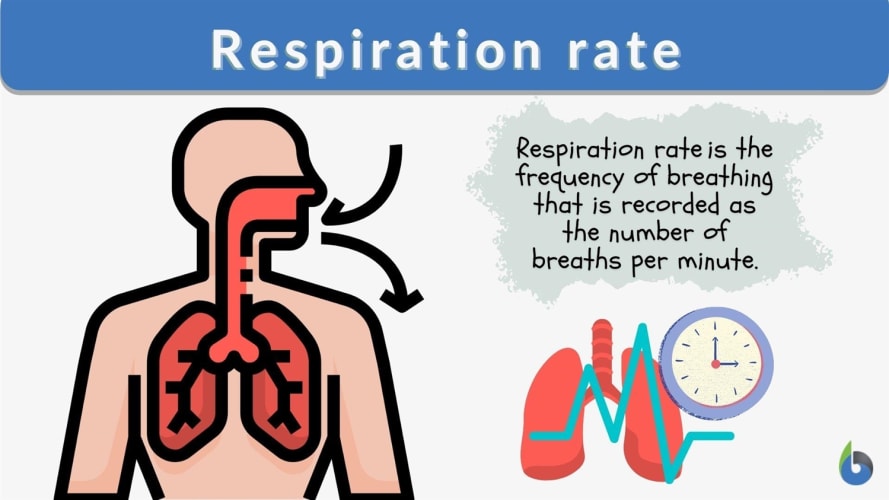
Respiration rate (RR) measures the frequency of breaths per minute, typically 12–20 BPM for healthy adults at rest, 20–30 BPM for children, and 30–60 BPM for infants. Abnormal RR values—tachypnea (>20 BPM), bradypnea (<12 BPM), or apnea (cessation of breathing)—can indicate respiratory issues, heart failure, or neurological disorders. Traditionally, RR is measured manually by observing chest movements or using invasive methods like capnography. However, advanced pulse oximeters now provide non-invasive RR monitoring, making it accessible for home users, athletes, or clinicians managing conditions like COPD or sleep apnea.
Measuring RR alongside SpO2 (95–100%) and pulse rate (60–100 bpm) offers a holistic view of cardiorespiratory function. For example, a patient with normal SpO2 (98%) but elevated RR (25 BPM) may signal early respiratory distress, prompting timely intervention. Devices like the Nonin Onyx3 9591 integrate RR measurement for comprehensive monitoring.
How Do Pulse Oximeters Measure Respiration Rate?
Standard pulse oximeters use photoplethysmography (PPG), passing red (660 nm) and infrared (940 nm) light through a tissue site (e.g., finger, earlobe) to measure SpO2 and pulse rate via arterial blood pulsations. Advanced oximeters, such as those from Nonin and Masimo, extend PPG analysis to estimate RR by detecting subtle variations in the PPG waveform influenced by breathing. Here’s how it works:
- PPG Waveform Analysis: Breathing modulates the PPG signal through three mechanisms:
- Baseline Modulation: Respiratory cycles alter venous blood volume, causing low-frequency changes in the PPG baseline.
- Amplitude Modulation: Breathing affects pulse amplitude due to changes in intrathoracic pressure, correlating with respiratory effort.
- Frequency Modulation: Respiratory sinus arrhythmia (heart rate variation with breathing) subtly shifts pulse timing.
- Signal Processing: Advanced algorithms, like Nonin’s PureSAT® or Masimo’s Signal Extraction Technology (SET®), isolate respiratory components from the PPG signal using techniques such as wavelet transforms or adaptive filtering. These algorithms differentiate respiratory modulations (0.2–0.5 Hz for 12–30 BPM) from cardiac pulses (1–2 Hz for 60–120 bpm).
- Respiratory Rate Output: The device calculates breaths per minute, typically ranging from 2–80 BPM, displaying RR alongside SpO2 and pulse rate. For example, the Nonin Onyx3 9591 measures RR (2–80 BPM) with Bluetooth connectivity for real-time data syncing.
Wavelet transforms, as noted in research, enable standard oximeters to detect RR changes earlier than SpO2 drops, enhancing their utility in respiratory monitoring.
Accuracy of Respiration Rate Measurement
Pulse oximeter RR accuracy varies by device and conditions, with FDA-cleared models like the Nonin Onyx3 9591 achieving ±2–4 BPM accuracy compared to manual counting or capnography. Accuracy is highest at rest (PI >1%) and decreases in challenging scenarios like low perfusion or motion. For example:
- Optimal Conditions: A true RR of 16 BPM may read 14–18 BPM on a quality oximeter.
- Challenging Conditions: Errors may increase to ±5–10 BPM in low perfusion (PI <0.3%) or during vigorous activity.
Devices like those in our respiration rate pulse oximeter collection use advanced signal processing to maintain reliability across diverse patients, including adults, pediatrics, and those with low perfusion.
Factors Affecting Respiration Rate Accuracy
Several factors influence RR measurement accuracy, similar to SpO2 and pulse rate, due to their reliance on the PPG signal. Addressing these ensures reliable readings.
1. Low Perfusion
Explanation: Weak blood flow (e.g., hypothermia, shock, Raynaud’s) reduces PI (<0.3%), weakening the PPG signal and complicating RR detection.
Impact: Errors of ±5–10 BPM or failed readings. For example, a true RR of 18 BPM might read 10–25 BPM.
Solution: Warm the sensor site, use index/middle finger, or switch to ear oximetry for higher PI (1–2%).
2. Motion Artifacts
Explanation: Hand movement or tremors introduce noise, masking respiratory modulations in the PPG signal.
Impact: Errors of ±5–15 BPM, such as a 16 BPM RR reading 25 BPM during shaking.
Solution: Rest the hand, use motion-tolerant devices like the Nonin Onyx3 9591, or opt for ear oximetry.
3. Sensor Placement and Site
Explanation: Poor sensor alignment or suboptimal sites (e.g., pinky vs. index finger) reduce signal quality. Earlobes provide stronger signals due to central circulation.
Impact: Pinky readings may deviate by ±3–5 BPM compared to index finger or earlobe due to lower PI.
Solution: Use index/middle finger or ear oximetry, ensuring a snug fit.
4. Device Quality
Explanation: Cheap oximeters lack advanced algorithms for RR extraction, leading to errors or no RR capability. FDA-cleared devices like Masimo MightySat or Nonin Onyx3 9591 use robust signal processing.
[](https://www.turnermedical.com/FINGER_PULSE_OXIMETER_s/22.htm)Impact: Budget devices may fail to measure RR, while quality oximeters maintain ±2–4 BPM accuracy.
Solution: Choose devices from our respiration rate pulse oximeter collection.
5. Skin Tone
Explanation: Darker skin tones (Fitzpatrick V–VI) absorb more light, slightly weakening the PPG signal, though RR impact is less pronounced than for SpO2.
Impact: Errors of ±1–3 BPM on low-quality devices.
Solution: Use high-quality oximeters or ear oximetry, where thinner tissue minimizes pigmentation effects.
6. Ambient Light
Explanation: Sunlight or bright lights add noise to the PPG signal, disrupting RR detection.
Impact: Errors of ±3–5 BPM, e.g., 16 BPM reading 20 BPM.
Solution: Shield the sensor or measure in dim lighting.
7. Respiratory Patterns
Explanation: Irregular breathing (e.g., apnea, shallow breaths) or talking can obscure respiratory modulations.
Impact: Errors of ±5–10 BPM or missed breaths.
Solution: Measure during calm, regular breathing at rest.
Role of Ear Oximetry in Respiration Rate Measurement
Ear oximetry enhances RR accuracy in low-perfusion or motion-prone scenarios by leveraging the earlobe’s stable blood flow, often achieving PI >1% when finger PI is <0.3%. Benefits include:
- Low-Perfusion Reliability: Accurate RR (±2–4 BPM) in hypothermia, shock, or vascular conditions, outperforming finger oximetry.
- Motion Resistance: Stable readings during head movement, ideal for sleep studies or active patients.
- Clinical Applications: Used in critical care, neonatal monitoring for continuous RR data.
While the Nonin Onyx3 9591 is a fingertip device, ear oximeters in our respiration rate pulse oximeter collection offer similar RR capabilities for challenging conditions. “My Turner Medical ear oximeter provided consistent RR readings during sleep,” shares a customer, highlighting its value. Shop ear oximeters.
Clinical and Home Applications of RR Measurement
Pulse oximeters with RR measurement are valuable in various settings:
- Home Monitoring: Patients with COPD, asthma, or sleep apnea track RR to detect early respiratory changes, using devices like the Nonin Onyx3 9591 with Bluetooth for app syncing. [](https://www.turnermedical.com/Nonin_Onyx3_9591_Finger_Pulse_Oximeter_p/nonin_onyx3_9591.htm)
- Critical Care: Clinicians monitor RR in ICU or post-surgery patients to assess ventilation, often using ear oximetry for low-perfusion reliability.
- Sleep Studies: RR helps diagnose sleep apnea by detecting apneic events, with ear or finger oximeters ensuring stable readings.
- Pediatrics: RR monitoring in infants (30–60 BPM) or children (20–30 BPM) aids in managing respiratory infections or congenital conditions.
- Fitness and Altitude: Athletes or high-altitude hikers monitor RR alongside SpO2 to assess breathing efficiency during exertion.
The Nonin Onyx3 9591, with its multicolor LCD and PureSAT® technology, is ideal for spot-checking RR in diverse patients, from pediatrics to adults.
Chart: Factors Affecting Respiration Rate Accuracy
This chart summarizes factors impacting RR accuracy, their effects, and solutions:
| Factor | Impact on RR | Solution |
|---|---|---|
| Low Perfusion | ±5–10 BPM errors, failed readings | Warm site, use ear oximetry |
| Motion Artifacts | ±5–15 BPM errors | Rest hand, use motion-tolerant devices |
| Sensor Placement | ±3–5 BPM errors on pinky vs. index | Use index/middle finger, ear oximetry |
| Device Quality | Cheap: no RR or ±5–10 BPM; quality: ±2–4 BPM | Use FDA-cleared oximeters |
| Skin Tone | ±1–3 BPM errors on cheap devices | Use quality devices or ear oximetry |
| Ambient Light | ±3–5 BPM errors | Shield sensor from light |
| Respiratory Patterns | ±5–10 BPM errors with irregular breathing | Measure during calm breathing |
Note: Devices like the Nonin Onyx3 9591 enhance RR accuracy. Shop now.
Best Practices for Accurate Respiration Rate Readings
To ensure reliable RR measurements, follow these tips:
- Use Quality Devices: Select FDA-cleared oximeters with RR capabilities, like those in our respiration rate pulse oximeter collection.
- Optimize Sensor Placement: Use index/middle finger or ear oximetry, ensuring a snug fit and removing nail polish.
- Warm the Site: Rub fingers or earlobes for 30–60 seconds or soak in warm water (37–40°C) to boost PI.
- Minimize Interference: Shield from light, keep still, and measure during calm breathing.
- Rest Before Measuring: Sit calmly for 5 minutes to stabilize RR, avoiding talking or exertion.
- Take Multiple Readings: Average 2–3 stable readings, checking PI for signal strength.
- Monitor Device Condition: Clean sensors and ensure battery power for optimal performance.
Special Considerations for RR Monitoring
Different populations require tailored approaches:
- Infants/Children: Higher RR (20–60 BPM) requires pediatric sensors or ear oximetry for small digits.
- Elderly: Low perfusion benefits from ear oximetry or warming fingers.
- Chronic Conditions: COPD or sleep apnea patients need continuous RR monitoring, supported by devices like the Nonin Onyx3 9591.
- Dark Skin Tones: Quality oximeters or ear oximetry minimize errors.
- Critical Care: Ear oximetry ensures stable RR in unstable patients.
Why Choose Turner Medical for Respiration Rate Monitoring
Monitoring respiration rate with pulse oximeters enhances respiratory health management, and Turner Medical’s FDA-cleared devices deliver unmatched precision. Our respiration rate pulse oximeters, including the Nonin Onyx3 9591, feature advanced technologies like PureSAT® for reliable RR, SpO2, and pulse rate readings. With Bluetooth connectivity, multicolor displays, and low-perfusion performance, our oximeters suit home, clinical, or remote use. “Turner Medical’s oximeter gave me accurate RR data for my COPD,” shares a customer, praising our quality. With fast shipping and expert support, we empower confident health monitoring.
Conclusion: Leveraging Pulse Oximeters for Respiration Rate
Advanced pulse oximeters measure respiration rate non-invasively using PPG waveform analysis, offering a vital tool for respiratory monitoring. Technologies like wavelet transforms and algorithms in devices like the Nonin Onyx3 9591 ensure accuracy (±2–4 BPM), even in challenging conditions. Factors like low perfusion, motion, or skin tone can affect readings, but ear oximetry and quality devices mitigate these issues. By following best practices and choosing FDA-cleared oximeters from Turner Medical, users can monitor RR reliably for home or clinical needs. Shop our respiration rate pulse oximeters or the Nonin Onyx3 9591 to enhance your health monitoring today.