

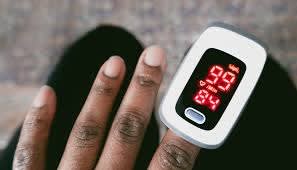
Pulse Oximeter Normal Readings: Your Guide to SpO2, Pulse Rate, and Perfusion Index
Pulse oximeters are essential tools for monitoring health, providing non-invasive measurements of oxygen saturation (SpO2), pulse rate, and, in advanced models, Perfusion Index (PI). Understanding what constitutes normal readings is crucial for assessing respiratory and cardiovascular health, whether at home, in a clinic, or during physical activity. At Turner Medical, we offer FDA-cleared pulse oximeters, including finger and ear models, designed for accurate monitoring. This comprehensive guide, spanning over 2000 words, details normal pulse oximeter readings for SpO2, pulse rate, and PI as of May 20, 2025, explains factors affecting results, and highlights the role of ear oximetry in challenging conditions. It includes a chart comparing normal and abnormal readings and practical tips for reliable measurements. Discover our pulse oximeter collection to find the perfect device for your needs.
What Is a Pulse Oximeter?
A pulse oximeter is a non-invasive device that measures oxygen saturation (SpO2), the percentage of hemoglobin in arterial blood saturated with oxygen, and pulse rate, the number of heartbeats per minute (bpm). Some advanced models also display Perfusion Index (PI), a measure of blood flow strength at the sensor site. Using photoplethysmography (PPG), the device passes red (660 nm) and infrared (940 nm) light through a finger, earlobe, or forehead to detect blood flow changes. FDA-cleared oximeters achieve ±2–3% accuracy for SpO2 and ±2–3 bpm for pulse rate under optimal conditions, making them reliable for home and clinical use.
Normal readings indicate healthy oxygenation and heart function, but variations can signal issues requiring medical attention. This guide outlines typical ranges and how to interpret them accurately.
Normal Pulse Oximeter Readings
Pulse oximeter readings include SpO2, pulse rate, and PI, each with established normal ranges for healthy adults at rest. These ranges may vary slightly based on age, fitness level, altitude, or health conditions. Below, we detail each metric’s normal values and their significance.
1. Oxygen Saturation (SpO2)
Normal Range: 95–100% (at sea level)
- Definition: SpO2 represents the percentage of hemoglobin molecules carrying oxygen in arterial blood. A value of 95% means 95% of hemoglobin is oxygenated.
- Significance: Normal SpO2 (95–100%) indicates efficient oxygen delivery to tissues, essential for organ function. Readings below 90% (hypoxemia) suggest respiratory or cardiovascular issues.
- Variations:
- Healthy Individuals: Typically 97–100% at rest.
- Chronic Conditions: Patients with COPD may have a baseline of 88–92%, considered “normal” for them, as per clinical guidelines.
- High Altitude: SpO2 may drop to 90–95% due to lower oxygen availability, still normal for the environment.
- Exercise: Temporary drops to 92–95% during intense activity are common in healthy people.
- Example: An SpO2 of 98% during a routine check confirms normal oxygenation.
2. Pulse Rate
Normal Range: 60–100 bpm (at rest)
- Definition: Pulse rate measures heartbeats per minute, reflecting heart function and circulation.
- Significance: A normal pulse rate (60–100 bpm) indicates a healthy heart rhythm at rest. Rates above 100 bpm (tachycardia) or below 60 bpm (bradycardia) may signal stress, illness, or cardiac issues, though athletes may have lower resting rates (40–60 bpm).
- Variations:
- Children: Higher normal ranges (70–120 bpm for ages 1–10).
- Athletes: Resting pulse rates as low as 40–60 bpm due to cardiovascular fitness.
- Exercise or Stress: Temporary increases to 100–160 bpm are normal during activity.
- Example: A pulse rate of 72 bpm at rest suggests normal heart function in an adult.
3. Perfusion Index (PI)
Normal Range: >1% (typically 1–20%)
- Definition: PI, expressed as a percentage, measures the strength of the pulsatile blood flow at the sensor site, calculated as the ratio of the pulsatile (AC) to non-pulsatile (DC) PPG signal.
- Significance: A PI above 1% indicates strong blood flow, ensuring reliable SpO2 and pulse rate readings. Lower PI (<0.3%) suggests poor perfusion, reducing accuracy.
- Variations:
- Healthy Individuals: PI often 2–10% on warm fingers or earlobes.
- Low Perfusion: PI may drop to 0.02–0.3% in cold fingers, hypothermia, or shock, requiring ear oximetry for better results.
- Site Differences: Earlobes typically yield higher PI (1–2%) than fingers in low-perfusion states.
- Example: A PI of 2.5% on a finger oximeter confirms a strong signal and reliable readings.
Chart: Normal vs. Abnormal Pulse Oximeter Readings
This chart summarizes normal and abnormal readings for SpO2, pulse rate, and PI, including implications and actions:
| Metric | Normal Range | Abnormal Range | Implications | Actions |
|---|---|---|---|---|
| SpO2 | 95–100% | <90% (hypoxemia) | Possible respiratory or cardiac issues | Seek medical advice, use ear oximetry if low perfusion |
| Pulse Rate | 60–100 bpm | <60 or >100 bpm | Bradycardia or tachycardia, may indicate stress or illness | Rest, recheck, consult doctor if persistent |
| PI | >1% (1–20%) | <0.3% | Poor blood flow, unreliable readings | Warm site, use ear oximeter, ensure proper sensor fit |
Note: Normal ranges apply to healthy adults at rest, at sea level. Shop ear oximeters for low-perfusion reliability.
Factors Affecting Pulse Oximeter Readings
Readings may deviate from normal due to physiological, environmental, or technical factors, requiring careful interpretation:
- Low Perfusion: Poor circulation (e.g., Raynaud’s, hypothermia, shock) lowers PI (<0.3%), reducing SpO2 and pulse rate accuracy. Ear oximetry helps by leveraging stable earlobe blood flow.
- Motion Artifacts: Shaking or tremors disrupt the PPG signal, causing false SpO2 drops or erratic pulse rates. Motion-tolerant oximeters minimize this.
- Ambient Light: Sunlight or bright lights can skew readings by 5–10%. Shielding the sensor improves accuracy.
- Skin Pigmentation or Obstructions: Dark skin, nail polish, or dirt may slightly lower SpO2 or PI due to light absorption, though modern devices adjust for this.
- Health Conditions: COPD, anemia, or carbon monoxide poisoning can lower SpO2, even if “normal” for the patient. Pulse oximeters cannot detect abnormal hemoglobin (e.g., COHb).
- Altitude: Lower oxygen levels at high altitudes reduce SpO2 (90–95%), still considered normal for the environment.
- Device Quality: Non-FDA-cleared oximeters may produce inaccurate readings, especially in low perfusion.
Understanding these factors helps users distinguish normal variations from concerning abnormalities.
Role of Ear Oximetry in Achieving Normal Readings
Ear oximetry is a critical solution when finger oximetry yields abnormal or unreliable readings due to low perfusion. The earlobe’s proximity to central circulation and resistance to vasoconstriction ensure higher PI (often 1–2%), even in conditions like hypothermia or peripheral vascular disease. Benefits include:
- Low-Perfusion Reliability: Maintains normal SpO2 (95–100%) and PI (>1%) in challenging scenarios, outperforming finger oximeters in cold or shock states.
- Stable Sensor Placement: Ear clip or wrap sensors reduce motion artifacts, ensuring consistent pulse rate readings (60–100 bpm).
- Clinical Versatility: Used in critical care, neonatal monitoring, or sleep studies for accurate nocturnal oximetry.
“My Turner Medical ear oximeter gave steady SpO2 readings when my fingers were too cold,” shares a customer, highlighting its value. Explore ear oximeters for reliable monitoring.
How to Ensure Accurate Pulse Oximeter Readings
To achieve normal readings and minimize errors, follow these best practices:
- Warm the Sensor Site: Rub fingers or earlobes for 30–60 seconds or soak in warm water (37–40°C) to boost PI and SpO2 accuracy.
- Choose the Right Site: Use the index or middle finger for finger oximetry, or the earlobe for low-perfusion scenarios to maintain PI >1%.
- Ensure Proper Sensor Fit: Align the sensor snugly, removing nail polish or dirt to optimize light transmission.
- Minimize Interference: Shield the sensor from ambient light and keep the hand or head still to avoid motion artifacts.
- Use a Quality Oximeter: Select FDA-cleared devices with PI displays and low-perfusion capabilities, like those from Turner Medical.
- Take Multiple Readings: Record 2–3 readings, averaging stable results, and switch sites if PI is low or readings are inconsistent.
- Rest Before Measuring: Sit calmly for 5 minutes to stabilize pulse rate and SpO2, avoiding exercise or stress.
If readings remain abnormal (e.g., SpO2 <90%, pulse rate <60 or >100 bpm, PI <0.3%), consult a healthcare provider, as they may indicate underlying issues.
Interpreting Abnormal Readings
Abnormal readings require careful evaluation to determine if they reflect health issues or measurement errors:
- Low SpO2 (<90%): May indicate hypoxemia from pneumonia, COPD, or heart failure. Recheck after warming the site or using an ear oximeter. Seek medical advice if persistent.
- Abnormal Pulse Rate (<60 or >100 bpm): Could signal bradycardia, tachycardia, or arrhythmias. Rest, recheck, and consult a doctor if consistent or accompanied by symptoms (e.g., dizziness).
- Low PI (<0.3%): Suggests poor blood flow, often due to cold fingers or shock. Warm the site, improve circulation, or switch to ear oximetry for reliable readings.
Note that pulse oximeters cannot detect carbon monoxide poisoning or methemoglobinemia, which may show falsely normal SpO2. A co-oximeter is needed for such diagnoses.
Special Considerations for Different Populations
Normal readings vary across groups, requiring tailored interpretation:
- Children: Normal SpO2 is 95–100%, but pulse rates are higher (70–120 bpm for ages 1–10). Use pediatric sensors or ear oximeters for small fingers or earlobes.
- Elderly: Slightly lower SpO2 (93–97%) or PI due to reduced circulation. Ear oximetry ensures reliable readings in low-perfusion states.
- Chronic Conditions: COPD or heart failure patients may have lower baseline SpO2 (88–92%), considered normal for them. Consult a doctor for personalized ranges.
- Athletes: Lower resting pulse rates (40–60 bpm) and temporary SpO2 drops during exercise (92–95%) are normal.
- High Altitude: SpO2 of 90–95% is normal due to reduced oxygen. Adjust expectations based on elevation.
Why Choose Turner Medical for Pulse Oximetry
Understanding normal pulse oximeter readings empowers you to monitor your health with confidence. Turner Medical offers FDA-cleared pulse oximeters, including finger and ear models, designed for accuracy in diverse conditions. Our devices feature PI displays, motion tolerance, and low-perfusion capabilities to ensure reliable SpO2 and pulse rate data. “Turner Medical’s ear oximeter gave me peace of mind with consistent readings,” shares a customer, praising our quality and support. With fast shipping and expert guidance, we provide the tools you need for precise monitoring.
Conclusion: Mastering Normal Pulse Oximeter Readings
Normal pulse oximeter readings—SpO2 (95–100%), pulse rate (60–100 bpm), and PI (>1%)—indicate healthy oxygenation and heart function in adults at rest. Variations due to low perfusion, motion, or health conditions can affect results, but ear oximetry offers a reliable solution for challenging scenarios. By using quality devices, optimizing sensor placement, and interpreting readings correctly, you can monitor your health effectively. Turner Medical’s pulse oximeters deliver precision and ease, supporting better health outcomes. Shop now to find the ideal device for your needs.