

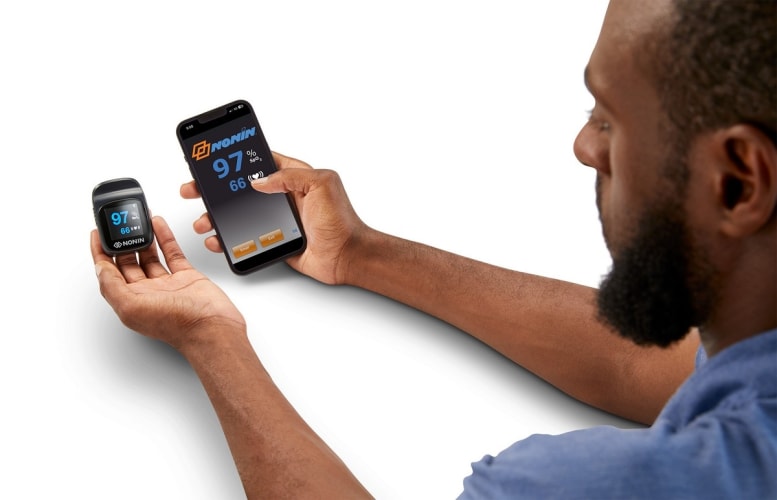
The Dangers of Low Oxygen Saturation: Why Monitoring Matters
Low oxygen saturation, or hypoxemia, can pose serious health risks if left unaddressed for too long. At Turner Medical, we offer pulse oximeters, including ear and finger models, to help you monitor oxygen levels and stay proactive about your health. This blog post explores the dangers of prolonged low oxygen saturation, its causes, and how oximeters can help prevent complications.
What Is Low Oxygen Saturation?
Oxygen saturation (SpO2) measures the percentage of oxygen-carrying hemoglobin in your blood. Normal levels typically range from 95% to 100%. When SpO2 drops below 90%, it’s considered hypoxemia, which can starve tissues and organs of oxygen. Prolonged hypoxemia—lasting hours or days—can lead to severe health issues, especially for those with chronic conditions.
The Dangers of Prolonged Hypoxemia
When oxygen levels remain low for too long, the body struggles to function properly. Here are the key risks:
- Organ Damage: Vital organs like the brain, heart, and kidneys can suffer, leading to cognitive impairment, heart strain, or kidney failure.
- Respiratory Failure: Conditions like COPD or sleep apnea can worsen, causing breathing difficulties.
- Cardiovascular Issues: Low oxygen stresses the heart, increasing risks of arrhythmias or heart attacks.
- Fatigue and Confusion: Chronic low SpO2 can cause persistent tiredness, memory issues, and disorientation.
“I didn’t realize how low my oxygen was until my oximeter alerted me,” shares a Turner Medical customer with COPD, underscoring the importance of monitoring.
Oxygen Saturation Levels and Risks
Understanding SpO2 levels helps gauge when to seek help. Here’s a quick reference:
| SpO2 Range | Status | Risks/Recommendations |
|---|---|---|
| 95%–100% | Normal | Healthy range; continue routine monitoring |
| 90%–94% | Mild Hypoxemia | Monitor closely; consult doctor if persistent |
| 85%–89% | Moderate Hypoxemia | Seek medical advice; oxygen therapy may be needed |
| Below 85% | Severe Hypoxemia | Urgent medical attention required |
Note: Ranges are general; consult a healthcare provider for personalized guidance.
Causes of Low Oxygen Saturation
Prolonged hypoxemia can stem from various conditions, including:
- Chronic Diseases: COPD, asthma, or pulmonary fibrosis impair lung function.
- Sleep Apnea: Breathing pauses during sleep reduce oxygen levels.
- High Altitude: Thin air above 5,000 feet lowers SpO2 naturally.
- Poor Circulation: Conditions like Raynaud’s Syndrome can complicate finger oximeter readings, making ear oximeters a better choice.
Turner Medical’s oximeters help identify these issues early, preventing long-term damage.
How Pulse Oximeters Help
Pulse oximeters are critical for detecting low oxygen levels before symptoms escalate. They provide quick, noninvasive SpO2 and pulse rate readings, empowering users to act fast. For those with circulation issues, ear oximeters, like Nonin’s 8000Q2 for the Nonin 8500, offer reliable readings by clipping onto the earlobe, bypassing cold or constricted fingers.
Modern uses include:
- Home Monitoring: Patients with chronic conditions track SpO2 daily.
- Clinical Settings: Hospitals use ear and forehead oximeters for critical care.
- Altitude and Fitness: Adventurers monitor oxygen at high elevations.
Turner Medical’s FDA-cleared oximeters ensure accuracy, with ±2–3% precision for reliable results.
Choosing the Right Oximeter from Turner Medical
Selecting an oximeter to prevent hypoxemia risks is simple with Turner Medical:
- Consider Circulation: For Raynaud’s or poor perfusion, choose ear oximeters from our shop.
- Prioritize Accuracy: Opt for FDA-cleared models for dependable data.
- Match Your Needs: Home users may prefer finger models; professionals may need versatile options like the Nonin 8500.
- Get Support: Contact Turner Medical for expert advice.
Turner Medical: Your Partner in Oxygen Monitoring
Prolonged low oxygen saturation is a serious threat, but with the right tools, you can stay ahead of the risks. Turner Medical offers a range of pulse oximeters, from ear to finger models, designed to keep you informed and safe. Don’t wait for symptoms to worsen—monitor your health with confidence today.